

Prideful Move · New Hampshire land & new construction
Before the floor plan,
let’s understand the land.
The view. The quiet. The kitchen you can already picture. Let’s give the possibilities a practical starting point.
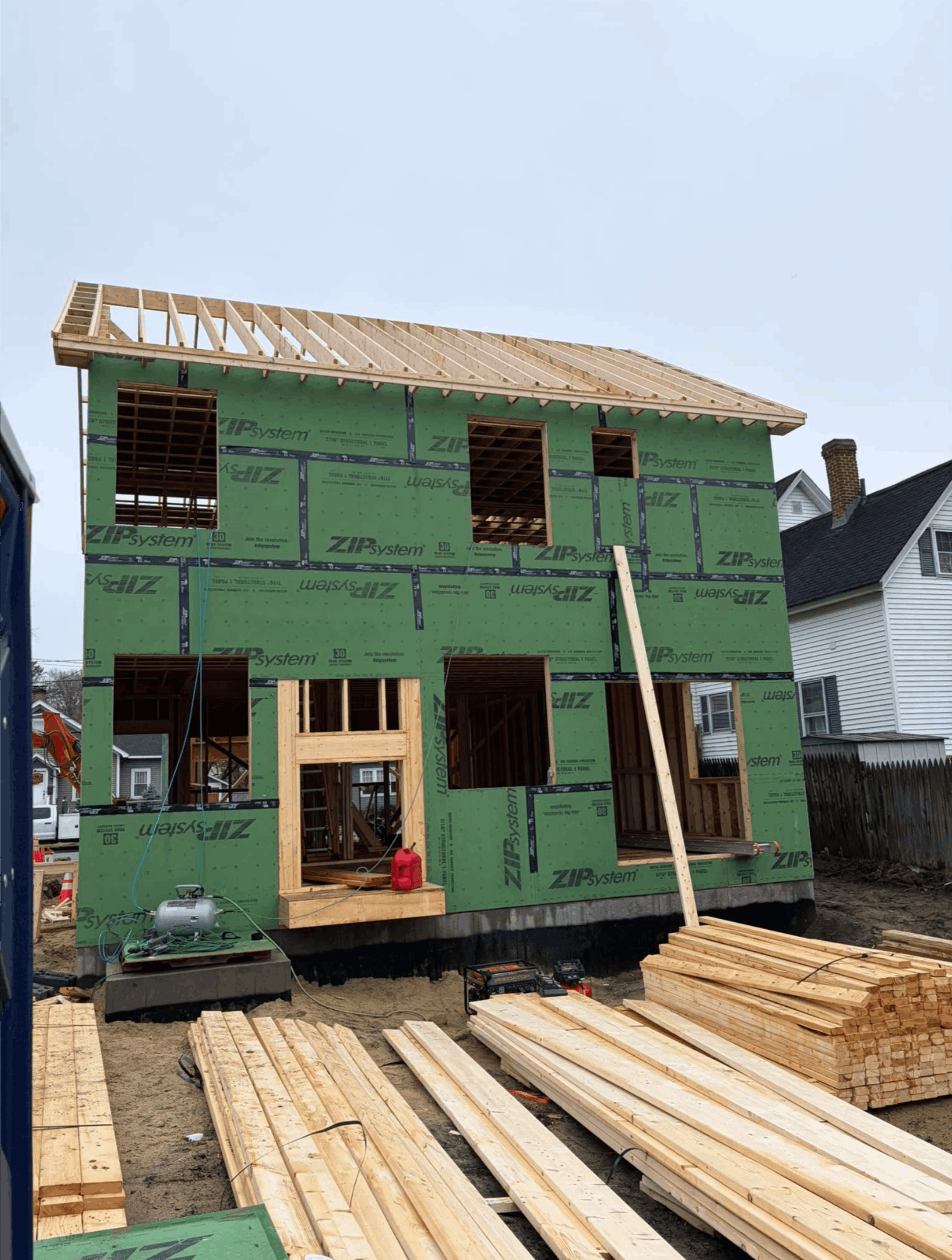
The home starts before the foundation
I like the possibilities.
I also want to understand the property.
I’m Kyle Cavanaugh. I’ve built and sold new-construction homes and own rental and multifamily properties. That experience shapes the questions I bring to a conversation about land.
What do you want this place to make possible? A first home that feels like you, space for the people you love, or something you have been sketching for years? We can start there, then identify what the parcel and the current records actually support.
This guide is an introduction to that conversation. Your detailed budget, offer approach and project decisions belong in our personal discussion.
Six places to start
Let’s walk the questions
before we rush the decisions.
Use these as conversation prompts with your agent, municipality and the people reviewing the land. They are starting points, not a parcel approval or a substitute for a site-specific review.
-
Find the actual parcel.
Match the listing with the deed, tax map and available survey or recorded plan. Note which boundaries, easements and restrictions need a professional to interpret.
What records are available, and who will confirm them?
-
Describe the home you mean.
Start with how you want to live: the home, garage, work space or future flexibility you are imagining. Bring that proposal to the municipality rather than asking only whether the land is “buildable.”
Which local requirements apply to this specific idea?
-
Understand the way in.
Ask about road classification, frontage, recorded access, maintenance and any driveway permit. A road on a map leaves practical and legal questions to resolve.
Who confirms legal access and the applicable permit process?
-
Make room for the systems.
Water, wastewater, power and the home itself need to work together on the site. Ask for the available plans and identify what still needs design or review.
Does the available septic or utility information fit this home?
-
Read the site, not just the view.
Ask about wetlands, protected shoreland, slopes, drainage and the proposed area of work. Bring site questions to the professional qualified to evaluate them.
What needs field review or permission before work starts?
-
Connect the whole project.
The purchase price is one part of creating a home. Bring the site, financing, builder’s scope, tax status and schedule into one conversation before assumptions become commitments.
Which decisions need answers before the next commitment?
Keep the information connected
One parcel. Several different kinds of answers.
The town and the records
Ask the municipal planning or building office about the proposed use and the process that applies. Have a title or legal professional review access, restrictions and recorded documents. Ask a licensed surveyor about boundary and plan questions.
The site and the systems
Bring design and field questions to the appropriate licensed professionals. Ask the permitting authority which approvals, notifications or exemptions apply to the proposed work. An attractive sketch can help explain an idea; the supporting reviews establish what can move forward.
Buying land in NH FAQs
Good questions make room
for a better plan.
Can I build a house on any land listed for sale in New Hampshire?
A listing gives you a place to start investigating. It does not settle whether your particular home and site plan can be approved. Bring the parcel identification, deed, available plans and your intended use to the town and the professionals reviewing the site. Ask which approvals exist, what they cover and what is still required.
What if the lot is on a Class VI road or a private road?
Treat the road classification, legal access and building-permit requirements as specific questions to confirm. Current RSA 674:41 sets out different conditions for different types of access; the applicable process matters. Ask the municipality and your title or legal professional to review the actual road, frontage, rights and documents. Read the current access statute (new tab)
Does an existing septic plan mean the lot is ready for my home?
Start with the actual plan and any approval, including their dates and the home they describe. Ask a permitted septic designer whether they fit your intended bedroom count, layout, well location and site. The state’s approval statute also preserves local requirements. A plan should be reviewed for your proposal, rather than treated as a general promise. Read the approval framework (new tab)
Can I clear or fill part of a lot to make the house fit?
Do not assume the work is allowed because it looks small or because another property has been developed. Wetlands and protected shoreland have their own permitting frameworks and exemptions. Ask the appropriate site professional and permitting authority what applies to the location and proposed work before it begins. See the wetlands and shoreland sources below ↘
Does a larger lot automatically let me add a second home or subdivide?
Acreage is one part of the picture. The proposed use, layout, access, deed restrictions, site conditions and applicable land-use requirements still need review. Ask the municipality and the appropriate licensed professionals about the specific idea. Keep “I would like to” and “this is approved” as separate notes until the records support the plan.
What should I ask if the land is in Current Use?
Confirm the parcel’s current assessment status and what your intended use could change. RSA 79-A:7 provides for a land-use-change tax when qualifying land changes to a nonqualifying use. Ask the assessing office and your tax or legal professional about the land involved, timing and responsibility for this transaction. Read the Current Use provision (new tab)
Should I buy the land before talking with a builder or lender?
Start those conversations early enough to understand how the land, proposed home, financing and timeline connect. There is no single sequence that fits every buyer. Ask who needs which information before a commitment, and what happens if the proposal changes. We can organize your next questions around the actual opportunity.
Can you help me with new construction after I find a lot?
Yes. I have built and sold new-construction homes, and I can help you think through the purchase and the questions that need the right professional. Bring the listing, the plans you have and the life you want the new home to make possible. Explore my new-construction guide →
Your idea deserves a thoughtful beginning
Tell me what you’re picturing.
Bring the parcel, the questions and the home you hope it could become. We can talk through the next useful step, with the right people involved in the details.
Sources behind the questions
These current state-law pages provide background for a property-specific conversation. Your proposal, documents and the responsible professionals determine what applies.
- NH RSA 674:41 — building access and street requirements (new tab)Current statutory text, including changes effective in 2026. Confirm the applicable route with the municipality and your legal professional.
- NH RSA 236:13 — driveways and access to the public way (new tab)State and municipal driveway-permitting authority and access considerations.
- NH RSA 485-A:32 — sewage-disposal plans and approvals (new tab)State approval requirements and the continuing role of local requirements.
- NH RSA 482-A:3 — wetlands permits and exemptions (new tab)The state wetlands-permitting framework; the proposed work and location matter.
- NH RSA 483-B:5-b — protected-shoreland permits (new tab)Permits, notifications and exemptions for work in protected shoreland.
- NH RSA 79-A:7 — Current Use and a change of land use (new tab)A change to a nonqualifying use can create a land-use-change tax. Confirm the parcel-specific implications with assessing and tax professionals.
An independent Prideful Move guide by Kyle Cavanaugh, CENTURY 21 Lifestyles. General buying preparation, not a determination that a parcel is buildable, a survey, legal or tax advice, a permit, a construction estimate or a financing approval.
Before you pick the finishes: allowances & upgrades → · Your NH buying roadmap → · Meet Kyle →